BuildSkills Academy Masterclass in Berlin: Connecting Circular Construction Innovation with Future Skills
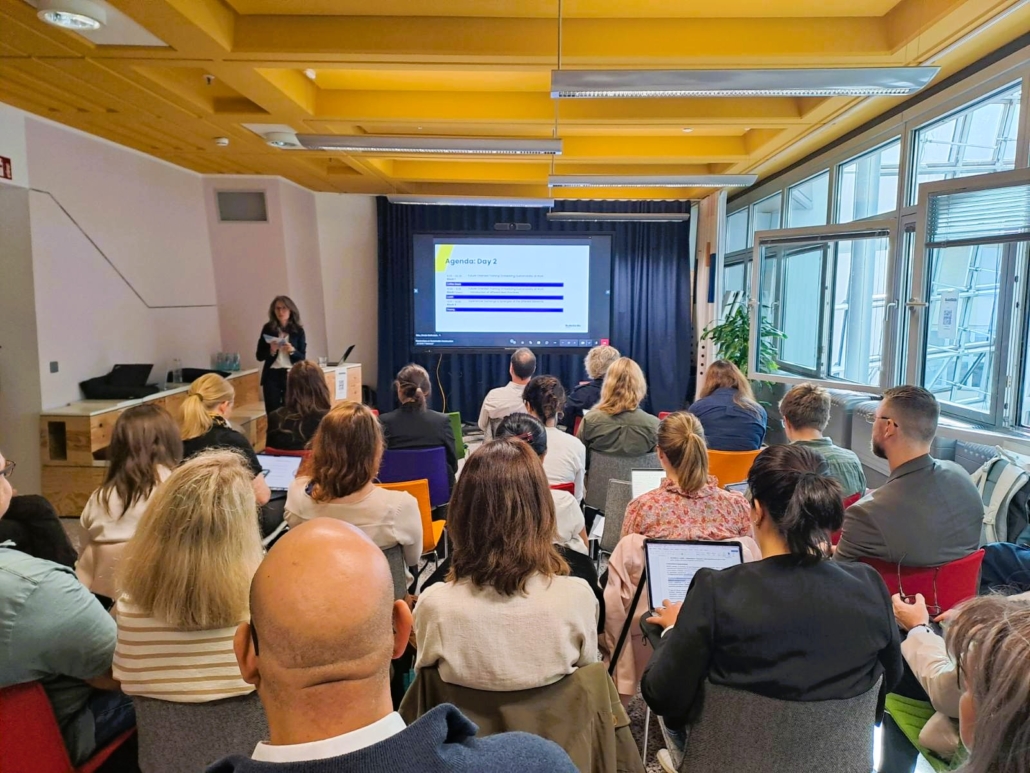
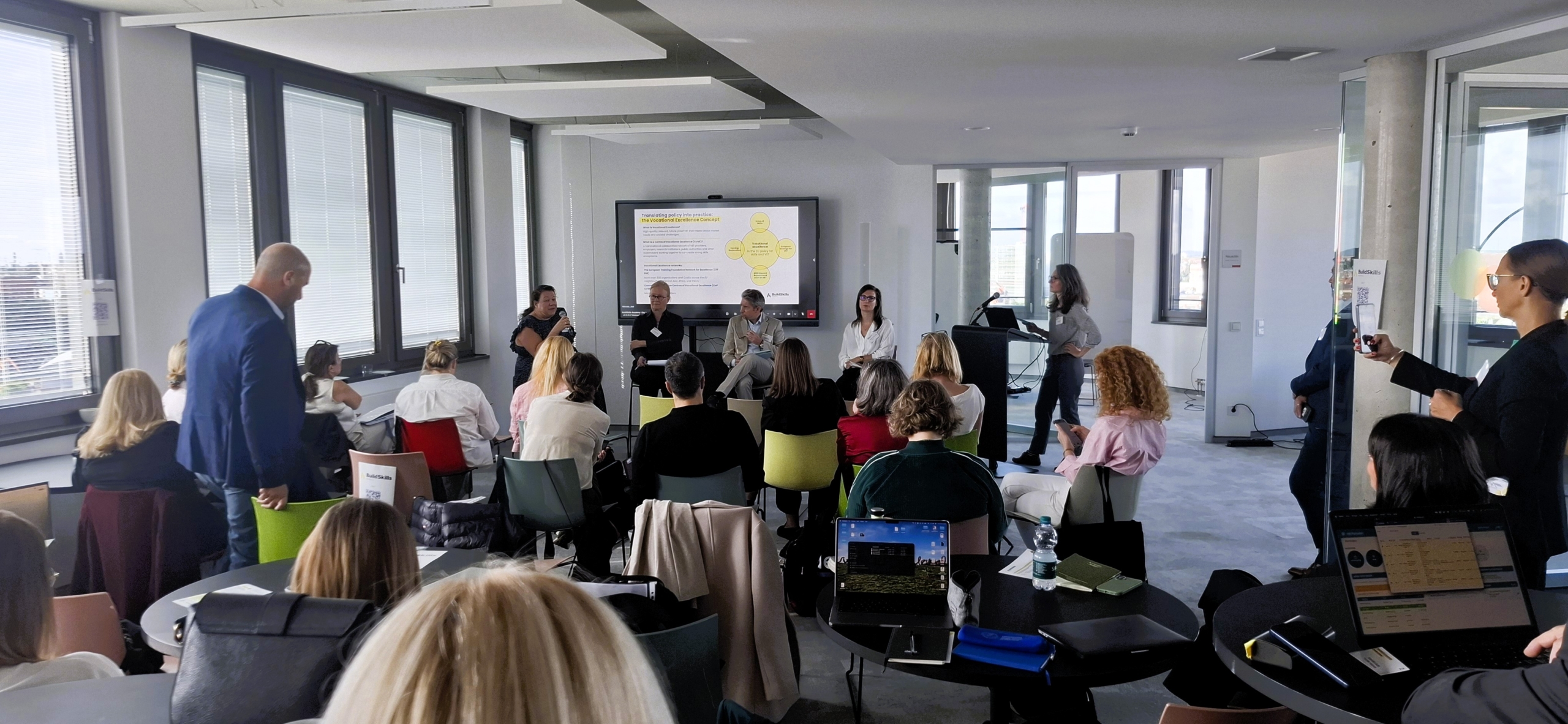
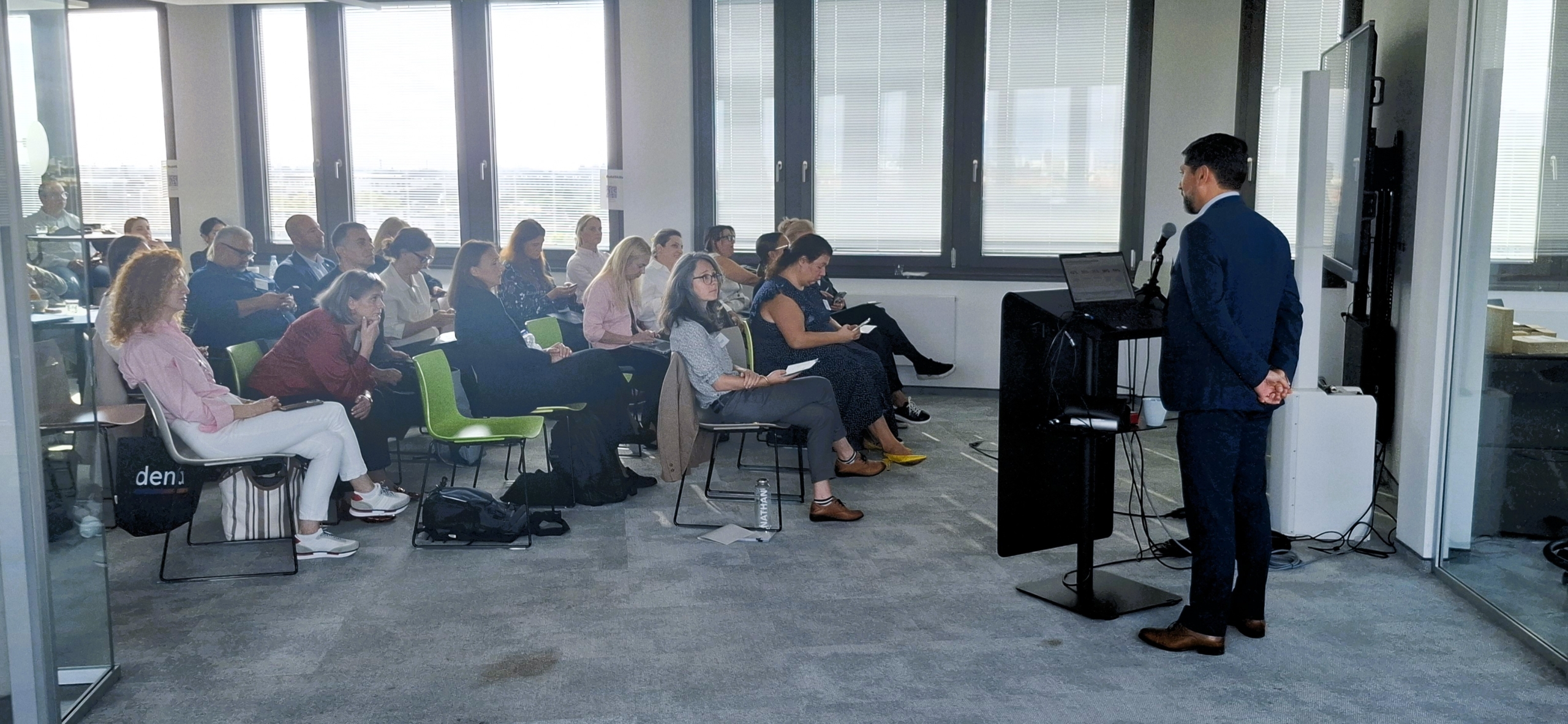
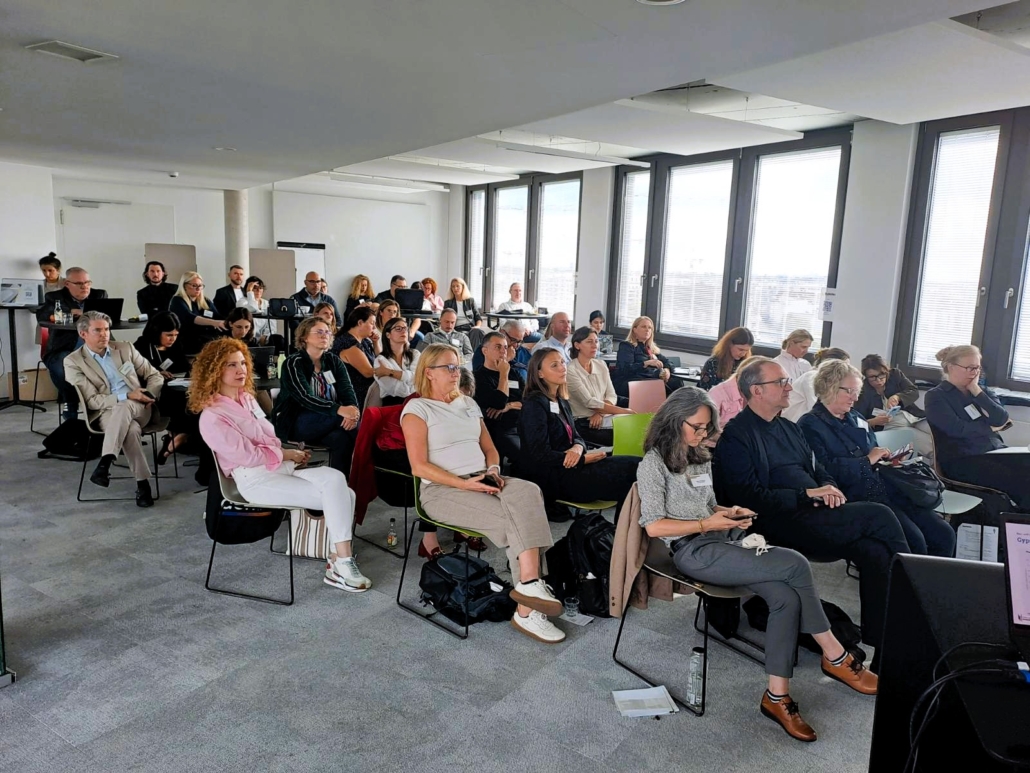
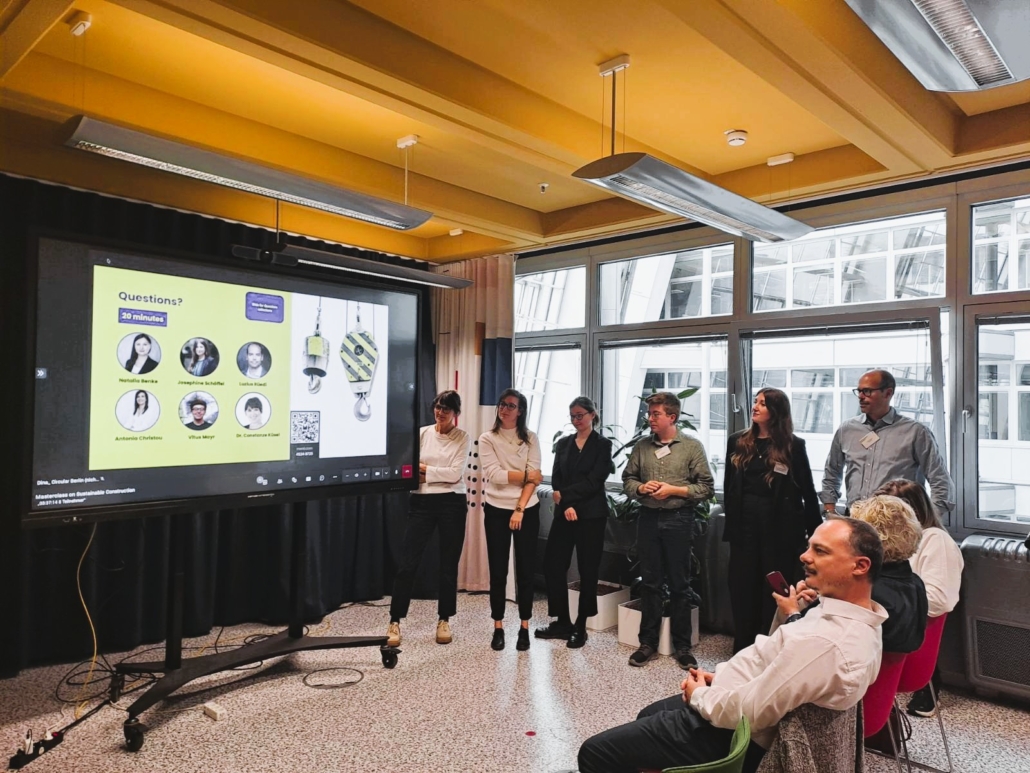
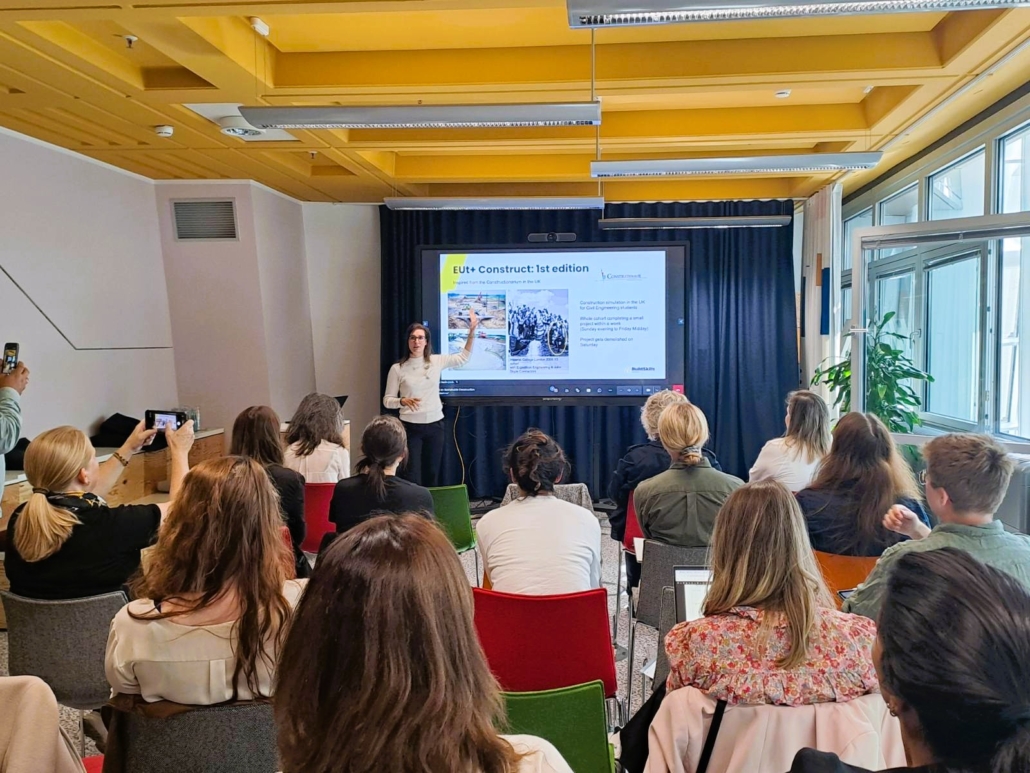
On 17–18 September 2026, the second BuildSkills Academy Masterclass took place in Berlin, Germany, bringing together construction industry experts, vocational education providers, researchers and policymakers to explore how circular economy innovations can be integrated into construction training and skills development.
The two-day event was co-hosted by Circular Berlin, the German Energy Agency (dena) and Berlin Partner for Business and Technology, as part of the Erasmus+ BuildSkills Academy project.
The Masterclass addressed a central question: how can the construction workforce keep pace with rapidly evolving sustainable technologies, materials and practices, and how can vocational education respond to these changes?
Presentations are available here:
Connecting innovation with construction skills
The discussions highlighted the growing importance of circular construction in Europe’s green and digital transition. European policy developments, including the revised Energy Performance of Buildings Directive (EPBD), are increasing the need for sustainable building practices and new professional competencies.
Experts presented practical innovations already being developed and applied in the sector, including bio-based construction materials, Digital Material Passports and the safe reuse of structural concrete elements. These examples demonstrated how circular approaches can reduce environmental impacts while creating new requirements for construction professionals.
Participants also explored emerging skills related to material assessment, selective deconstruction, reuse, refurbishment, data management and digital technologies. A recurring message was that skills development cannot rely on fixed curricula alone: continuous cooperation between industry, research and education is essential to keep training relevant as technologies evolve.
Bringing circular innovation into education
The second major focus was on translating these innovations into practical learning opportunities.
Speakers shared examples of hands-on building and disassembly projects, simulation games for circular material choices, training in traditional crafts using natural materials, and open-innovation platforms connecting education providers with industry.
These approaches demonstrated how vocational education can combine practical experience with emerging sustainability knowledge. Short, targeted learning modules were also discussed as a way to help construction professionals continuously update their skills.
At the same time, participants identified challenges related to rigid curricula, limited resources for educators and the lack of long-term funding for innovative training approaches. Supporting teachers and training providers was therefore recognised as an important part of the sector’s transformation.
Strengthening European cooperation
The Masterclass also explored how European collaboration can support the wider adoption of circular construction skills.
Centres of Vocational Excellence, including initiatives such as BuildSkills Academy, can help connect training providers, companies and researchers, exchange practical experience and develop learning approaches that can be adapted across different national contexts.
Discussions highlighted the potential of digital learning resources, micro-credentials and clearer skills recognition frameworks to improve access to training and support professional mobility across Europe.
A key conclusion from Berlin was that the challenge is no longer simply to demonstrate that circular construction solutions exist, but to make them part of everyday industry practice and standard vocational education. Achieving this requires sustained cooperation between research, education, industry and policymakers.
The Berlin Masterclass provided an important contribution to the BuildSkills Academy Masterclass series, strengthening the exchange of knowledge and practical approaches to green and digital skills development.
BuildSkills Academy thanks Circular Berlin, dena, Berlin Partner, all speakers, project partners and participants for their valuable contributions to two days of discussion, learning and collaboration.